Atlantic hurricane season runs from June 1 through November 30, and for water and sewer utilities along the Gulf and Southeast coasts, it is the stretch of the year when every plan, spare part, and phone tree gets tested at once. A strong storm rarely breaks just one thing. It knocks out power, floods lift stations, washes out roads, and takes down the cell towers crews depend on to coordinate, often all in the same afternoon.
The utilities that recover fastest are rarely the ones with the newest equipment. They are the ones that worked through the hard questions before the storm showed up. This guide walks through what a practical hurricane preparedness plan looks like for a water utility, where backup communications like Starlink fit in, and why the supply chain behind your system matters as much as the system itself.
Most hurricane damage to water infrastructure follows a predictable chain. Power goes first. Treatment plants, booster stations, and wastewater lift stations all depend on electricity, and when the grid drops, any facility without reliable backup generation starts losing ground right away. Even sites with generators can fall behind if pads flood, fuel runs low, or delivery trucks cannot get through.
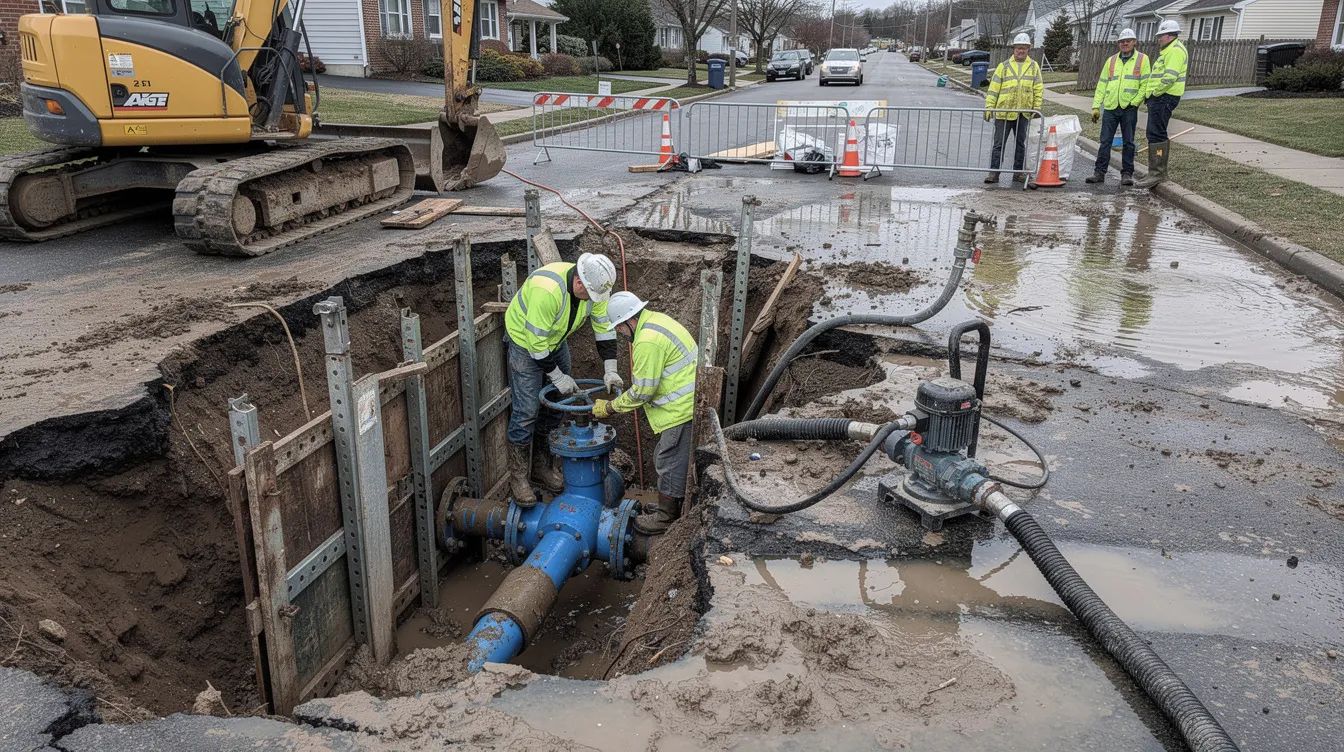
Pressure loss comes next. When pumps stop or mains break under falling trees and saturated soil, system pressure drops, and utilities are often forced to issue boil water notices to protect public health until pressure is restored and sampling confirms the water is safe.
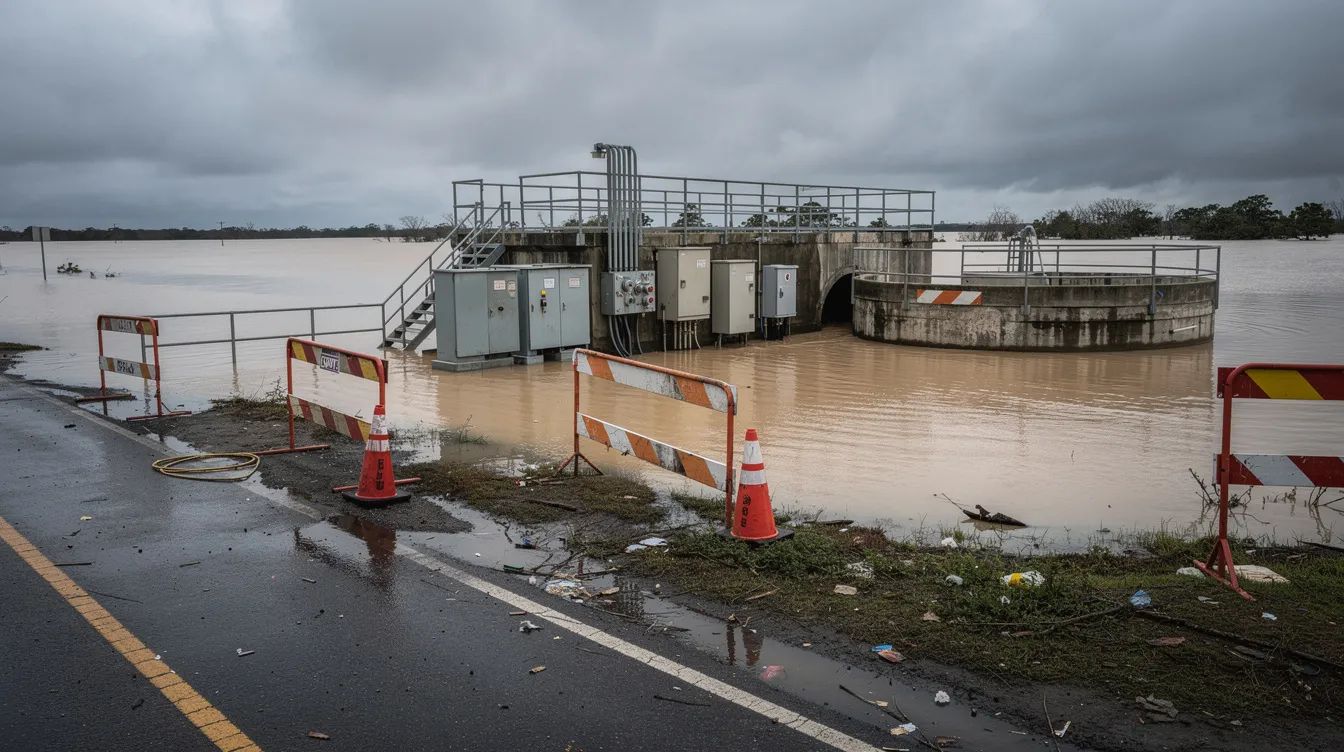
On the wastewater side, heavy rain and storm surge push water into collection systems through manholes, cracked pipe, and open cleanouts. That extra inflow can overwhelm lift stations and treatment capacity, leading to overflows. In coastal systems, saltwater intrusion adds another layer, damaging electrical components and corroding equipment long after the floodwater recedes.
The scale can be enormous. After Hurricane Harvey in 2017, the EPA and the Texas Commission on Environmental Quality reported that about 2,238 drinking water systems in Texas had been affected, with dozens still under boil water notices or shut down weeks after landfall.
Then there is access. Downed trees and flooded roads can keep crews from reaching the facilities that need them most, which is why preparedness has to cover people and logistics, not just infrastructure.
For many utilities, the emergency response plan is not optional. America's Water Infrastructure Act of 2018 amended Section 1433 of the Safe Drinking Water Act to require community water systems serving more than 3,300 people to complete a risk and resilience assessment and an emergency response plan, and to certify both to the EPA. Systems must review, revise as needed, and recertify those documents every five years, and the current recertification cycle runs through 2025 and 2026. Smaller systems are not required to certify, but the EPA provides guidance and tools to help them build plans of their own.
A compliant plan and a useful plan are not always the same thing, though. The plans that hold up during a hurricane tend to share a few traits:
The EPA offers an emergency response plan template built around the Section 1433 requirements, which is a solid starting point for systems updating their plans this cycle. Many of the fixes a plan uncovers, from flood-proofing a lift station to adding a permanent generator, end up as capital projects, so it helps to understand how water infrastructure projects are planned and funded at the municipal level.
The weeks before a storm makes landfall are too late to start most of this work. A pre-season review, ideally in the spring, should cover:
For the critical spares list, most utilities start with the parts that fix the most common storm damage:
Mutual aid deserves special attention. Florida's network, FlaWARN, was created in 2005 after the 2004 season brought hurricanes Charley, Frances, Jeanne, and Ivan to the state. Its model is simple: utilities sign a standardized mutual aid agreement in advance, so reimbursement terms are settled before anyone asks for help. That pre-signed agreement is what allows partner utilities to move quickly once a storm hits. After Hurricane Helene in 2024, FlaWARN activated more than a dozen utilities along with the Florida Rural Water Association to support damaged systems. Similar networks operate in other states, coordinated nationally through the American Water Works Association.
Communications failures are one of the most underestimated parts of hurricane response. During Hurricane Helene, the FCC reported that more than 74 percent of cell towers in affected areas were knocked out in the storm's initial impact. When cell and landline service drop, crews cannot report main breaks, operators cannot reach leadership, and utilities lose the ability to request help from mutual aid partners or order replacement parts.
No single tool solves this, so the strongest plans layer several options:
That last layer is where low earth orbit services like Starlink have become a practical part of storm planning. A small, portable terminal connects directly to satellites, so it does not depend on local towers or fiber that may be damaged. Emergency managers have leaned on this heavily in recent seasons. The Florida Division of Emergency Management has deployed Starlink systems across multiple hurricanes, including roughly 140 units in the Big Bend region after Hurricane Idalia, and FEMA sent Starlink terminals to North Carolina to support responder communications after Helene.
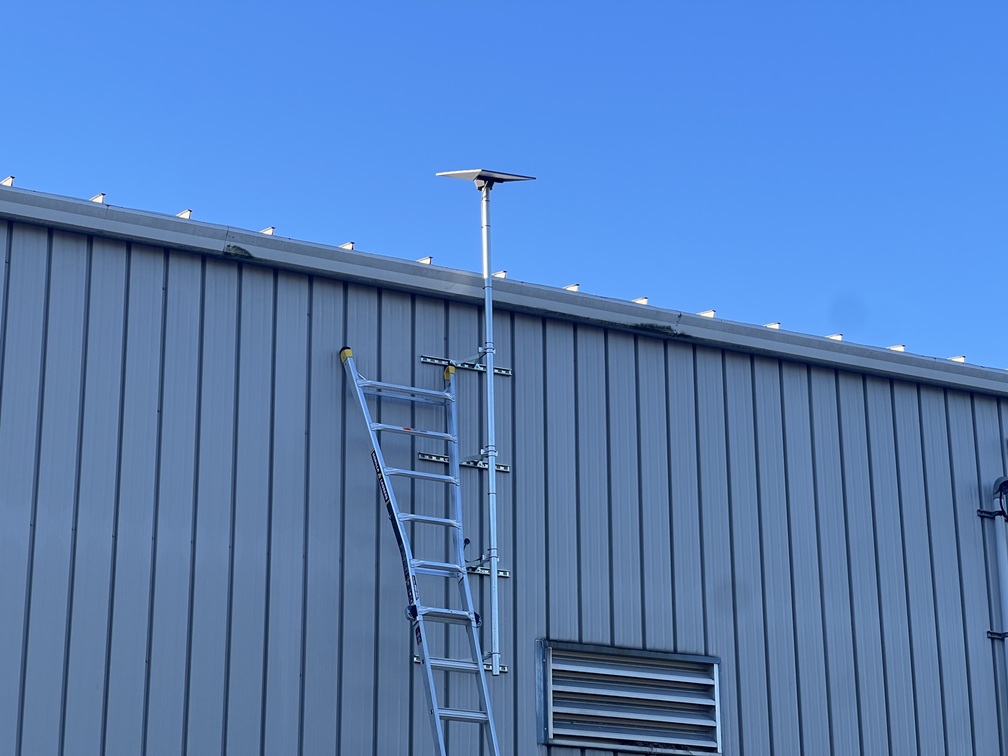
For water utilities, a few satellite terminals can serve several roles during a storm:
STAline Waterworks has used Starlink the same way when storms disrupt service in its own markets. When a branch location loses connectivity, a Starlink terminal can get a temporary setup online quickly, so the team can stay connected and keep serving the utilities and contractors who need material for repairs.
A few practical notes if your utility is adding satellite backup to its plan: buy and activate terminals before the season rather than during a crisis, pre-pick where each one will be set up with a clear view of the sky, pair them with generator or battery power, and test them during your spring exercise. Satellite access should support coordination and communication, and any connection to operational control systems deserves a careful look from a cybersecurity standpoint first.
Even the best emergency response plan depends on getting the right material to the right place after the storm passes. A utility can have crews ready and mutual aid partners on the way, but if the repair clamps, valves, and pipe are not available, restoration stalls. Blocked roads, fuel shortages, and driver shortages can slow deliveries across a whole region, even when suppliers themselves are open.
That is why it pays to talk with your supply partner before hurricane season rather than after. Ask which critical items they stock locally, how they handle emergency orders, and how their own operations stay up when a storm hits their area. It is also worth identifying a backup source outside your likely impact zone. A supplier with local inventory and a broad branch network can often pull material from unaffected locations when the nearest branch is dealing with storm impacts of its own.
As a trusted wholesale supply partner to water and sewer utilities, STAline combines local inventory with national reach across branches throughout the Southeast, Gulf Coast, and beyond. When storms hit, that network is what helps keep material moving to the utilities and contractors rebuilding their systems.
Once the weather clears, the order of operations matters as much as the speed:
Document everything as you go. Photos of damage, outage durations, work orders, and contractor invoices are the records you will need for FEMA Public Assistance or state disaster relief reimbursement.
Restocking is the step most often forgotten. The spares used in the first week of recovery need to be replaced before the next storm, and late-season hurricanes can arrive with little time in between. In 2024, Hurricane Milton made landfall in Florida less than two weeks after Helene. Building restocking into your after-action review keeps your utility ready for whatever comes next, and it is also the right time to decide which temporary fixes, like raising an electrical panel or adding a permanent generator, deserve a spot in the capital plan.
Hurricane season has a start and end date, but preparedness does not. The utilities that come through major storms in the best shape treat their emergency response plan as a living document, test their backup power and communications before they need them, sign mutual aid agreements in advance, and know their supply partners well before the forecast turns.
If your utility is reviewing its plan, stocking critical repair parts, or thinking through how to stay connected when the grid goes down, the STAline team is ready to help.
How often should a water utility update its emergency response plan?
Utilities covered by America's Water Infrastructure Act must review and recertify their plan with the EPA every five years. In practice, hurricane-prone utilities benefit from a quick review every spring before the season starts, plus an update after any major storm, staffing change, or new facility.
What should trigger a drinking water emergency during a hurricane?
Common triggers include a loss of pressure below your system's threshold, confirmed or suspected contamination, a major treatment failure, or damage that keeps you from meeting demand. The exact criteria belong in your emergency response plan and should be agreed on with your state primacy agency ahead of time, so boil water notices can go out quickly and consistently.
How can smaller utilities afford backup satellite internet?
A single portable terminal at your main operations site covers the most important needs. Smaller systems can also coordinate with county emergency management or neighboring utilities through mutual aid to share equipment during a regional event.
What repair parts should a utility stock before hurricane season?
Start with what fixes the most common storm damage: repair clamps and couplings, pipe in your most common sizes, valve and hydrant repair kits, and service line fittings. Then talk with your supplier about what they keep locally and how quickly they can deliver more after a storm.
ALABAMA CUSTOMERS: See important notice regarding your state's sales tax.
"Seller has collected the simplified sellers use tax on taxable transactions delivered into Alabama and the tax will be remitted on the customer's behalf to the Alabama Department of Revenue.Seller's program account number is SSU-R012660449."